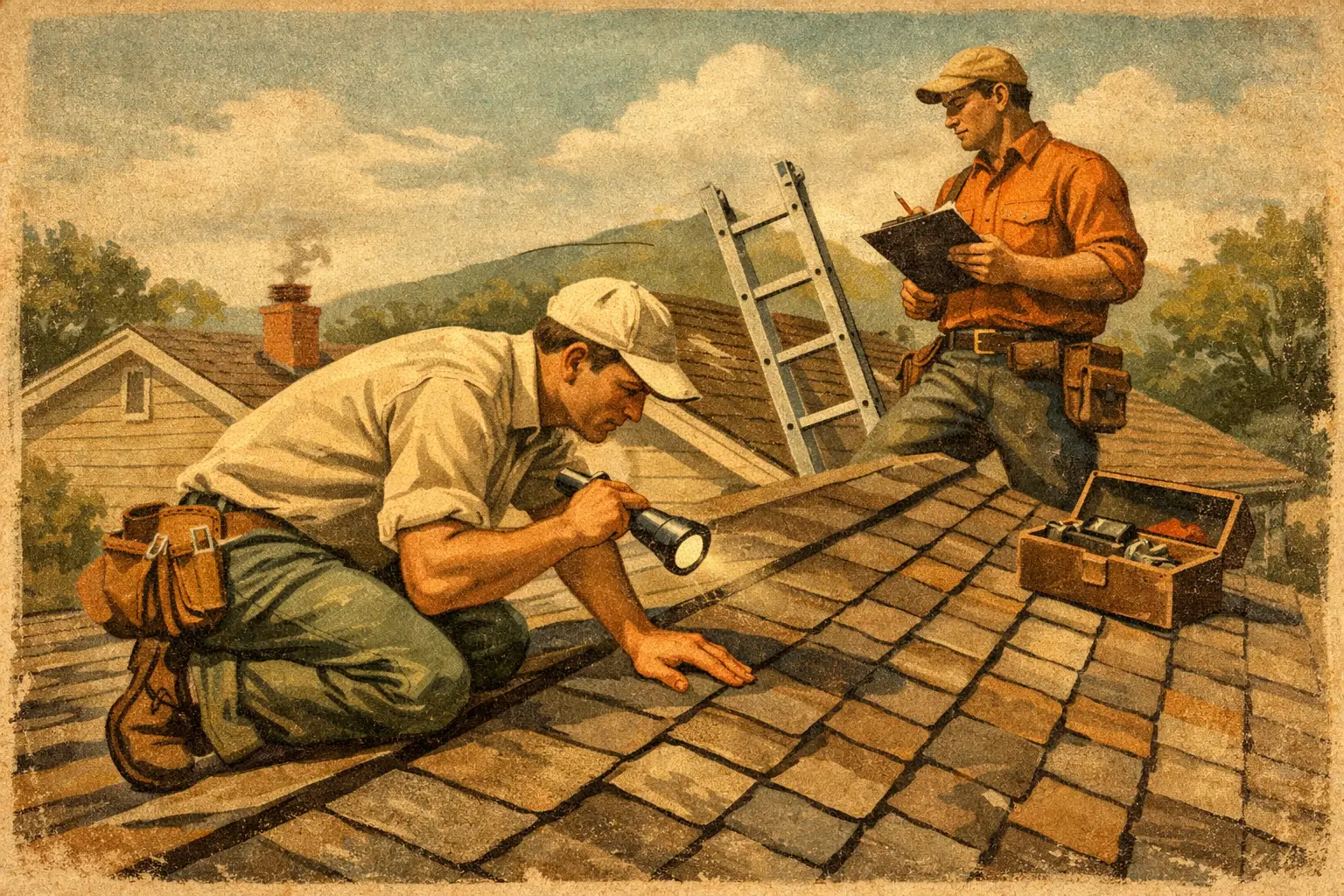
A roof inspection usually starts before anyone climbs a ladder. An experienced contractor is already scanning for sagging rooflines, missing shingles, dented metal, and signs that water may be getting where it should not. If you have ever wondered what do roof inspectors look for, the short answer is this: they are looking for anything that could shorten the life of your roof, threaten the structure below it, or turn a manageable repair into a costly replacement.
For homeowners and property managers, that matters because many roofing problems do not announce themselves with a dramatic leak. They show up quietly – a lifted shingle after a windstorm, a small flashing gap around a vent, granules building up in the gutter, or attic moisture that suggests poor ventilation. A thorough inspection is designed to catch those warning signs early.
What do roof inspectors look for on the exterior?
The exterior inspection is where the visible story of the roof starts to come together. Inspectors are not just checking whether the roof looks old. They are evaluating how each component is performing and whether the system is still protecting the building the way it should.
Shingles are one of the first things they assess. They look for cracking, curling, blistering, bald spots where granules have worn away, and shingles that are loose, missing, or out of alignment. On an asphalt roof, granule loss can be a strong clue that the material is aging or that storm impact has accelerated wear. A few aging signs may not mean immediate replacement, but widespread deterioration usually points to a roof that is losing its protective surface.
Flashing is another major focus. Roof inspectors pay close attention to flashing around chimneys, skylights, vents, valleys, and wall intersections because these are some of the most common leak points. Even a high-quality roof can fail early if flashing was installed poorly or has pulled away over time. In Minnesota, repeated freeze-thaw cycles can make small flashing weaknesses worse from one season to the next.
They also inspect roof penetrations and accessories. Pipe boots can crack. Sealant can dry out. Exhaust vents can loosen. Satellite mounts and other penetrations can create vulnerabilities if they were not flashed correctly. The issue is not just whether water is entering today. It is whether the roof has weak spots that will likely fail under the next round of heavy rain, snow, or wind.
Gutters, downspouts, soffit, and fascia often tell inspectors a lot about roof performance. Overflow patterns, granule accumulation, rust, separation, and rot may suggest poor drainage or long-term water exposure. If water is not moving off the roof properly, the roof itself is only part of the problem.
Storm damage is a major part of the inspection
In areas that see hail, high winds, and heavy snow loads, storm damage is one of the biggest reasons people schedule inspections. Not all damage is obvious from the ground, and not every bruise or dent means the same thing. A trained inspector looks for patterns and context.
Wind damage often shows up as creased shingles, lifted edges, torn tabs, or areas where shingles have broken seal strips and no longer sit flat. That matters because once shingles lose their seal, they become more vulnerable in the next storm. Hail damage can be more subtle. Inspectors may look for impact marks on shingles, dents on metal vents, damaged flashing, and bruising that weakens the shingle mat even if the roof is not actively leaking yet.
Tree impact, falling branches, and debris abrasion can also create isolated trouble spots. A single damaged area may be repairable, but that depends on the age of the roof, whether matching materials are available, and whether the surrounding sections are still in sound condition.
What roof inspectors look for inside the home or building
A proper inspection does not stop at the roof surface. Many of the clearest signs of trouble appear inside the attic, ceiling areas, or upper walls.
Inspectors look for water staining, mold growth, damp insulation, darkened roof decking, and light shining through where it should not. Those clues can help pinpoint active leaks, past leaks, or condensation issues. Sometimes the roof covering is still intact, but poor attic ventilation is trapping heat and moisture, leading to premature aging from below.
Ventilation matters more than many owners realize. If an attic does not have balanced intake and exhaust airflow, heat can build up in summer and moisture can accumulate in winter. That can warp decking, reduce shingle life, and contribute to ice dams. In colder climates, ice dams are not just a gutter problem. They are often a symptom of heat loss and ventilation issues working together.
Inspectors may also note signs of structural movement, such as sagging decking or uneven planes. Those issues do not always mean imminent failure, but they do deserve prompt attention because they can signal trapped moisture, long-term deterioration, or loading concerns.
Age, workmanship, and repair history all matter
A roof inspection is not only about damage. It is also about quality and remaining life.
Inspectors consider the approximate age of the roof and compare that age to the condition they are seeing. A newer roof with isolated damage may be a straightforward repair. An older roof with multiple weak points, brittle shingles, failing flashing, and ventilation issues may be a better candidate for replacement. This is where experience matters. The goal is not to recommend the biggest project. The goal is to recommend the right one.
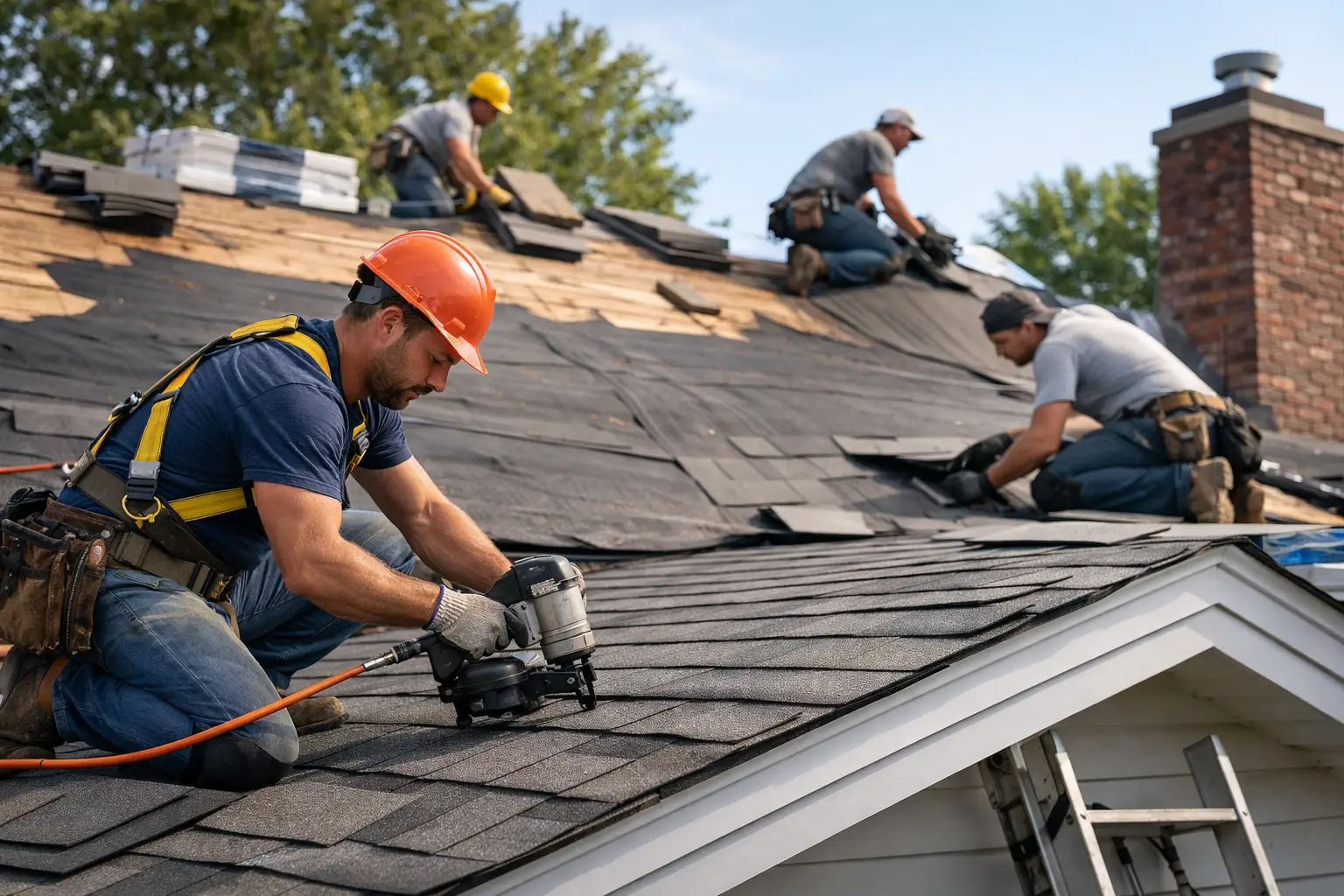
Workmanship is another big factor. Inspectors often find issues caused by shortcuts during installation – exposed nails, improper shingle alignment, poorly integrated flashing, inadequate underlayment at vulnerable areas, or repairs that were patched but not fully corrected. A roof can have premium materials and still underperform if the installation was not done properly.
Past repairs also tell a story. If one area has been patched multiple times, the root cause may never have been addressed. Repeated repairs in valleys, around chimneys, or near penetrations may suggest a deeper flashing or drainage problem.
What do roof inspectors look for when deciding between repair and replacement?
This is one of the most practical parts of any inspection because it affects cost, timing, and long-term value. When roof inspectors weigh repair versus replacement, they are looking at the extent of the damage, the age of the system, the quality of existing materials, and how likely a repair is to hold up.
If damage is limited to a small section and the rest of the roof is in good shape, repair often makes sense. If the roof is near the end of its expected life, repairs may only buy a short window before larger issues surface. That does not mean replacement is always the answer. It means the recommendation should reflect both the immediate problem and the roof’s overall condition.
Matching is another consideration. On older roofs, it can be difficult or impossible to match color, style, and weathering. For some owners, that is mostly a cosmetic issue. For others, especially on visible roof slopes, appearance and property value are part of the decision.
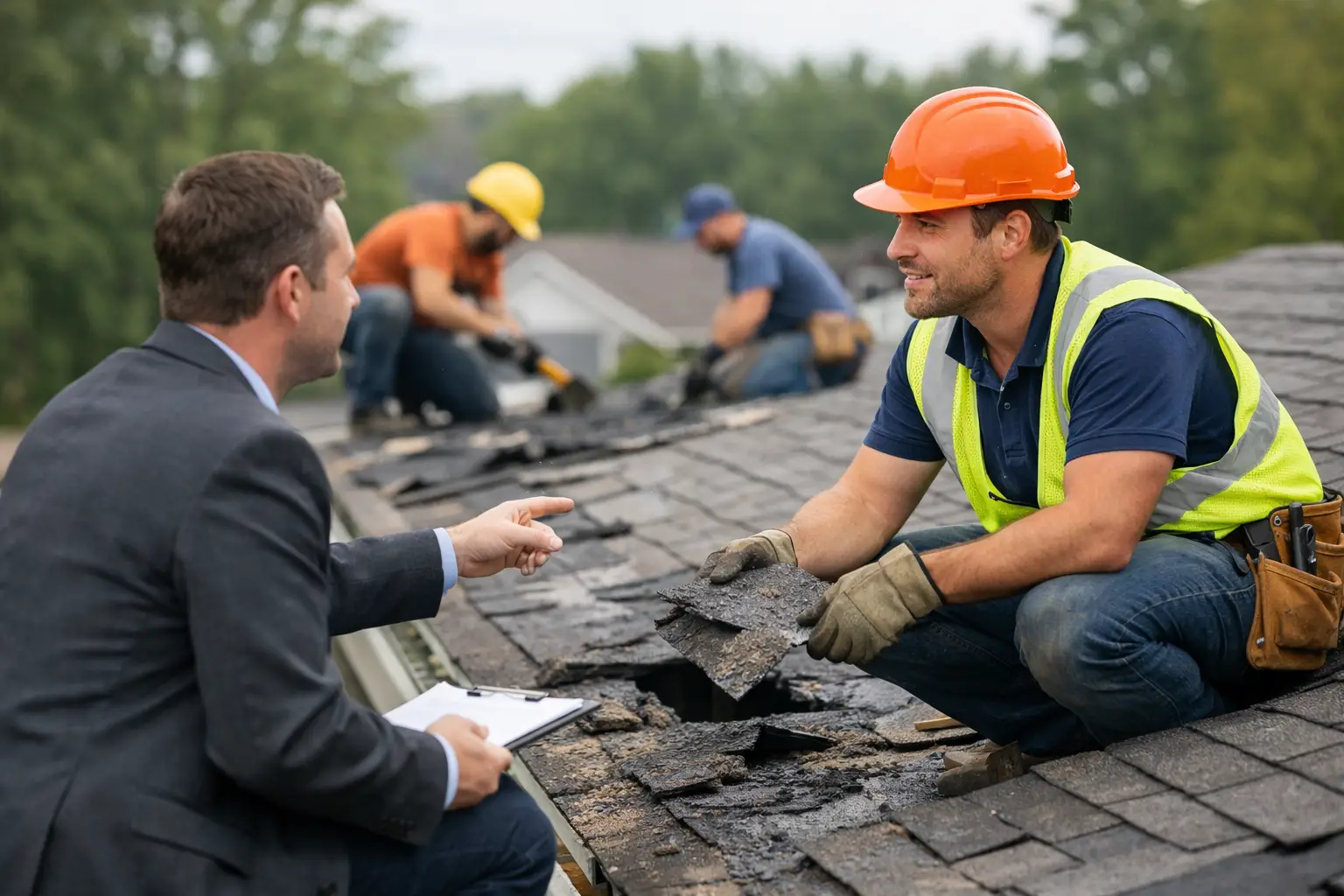
For storm-related claims, documentation becomes especially important. A trusted contractor should be able to identify legitimate damage, explain what it means, and provide a clear assessment that supports next steps. That clarity helps property owners make informed decisions instead of guessing based on a few photos or a quick glance from the ground.
Why a detailed inspection protects more than the roof
A roof is a system, not just a layer of shingles. When inspectors do their job well, they are protecting insulation, framing, drywall, interior finishes, and the overall value of the property. They are also helping owners avoid the common mistake of waiting until a leak appears inside.
For homeowners, that can mean catching storm damage before the next season makes it worse. For commercial property managers, it can mean preventing disruptions, preserving warranties, and planning capital expenses with fewer surprises. In both cases, the inspection should leave you with a clear understanding of condition, urgency, and options.
At Roofs R Us, that is how we believe inspections should work – thorough, honest, and focused on long-term protection, not pressure. If you are seeing signs of wear, recent storm activity, or interior moisture, the most helpful next step is not to guess. It is to have the roof evaluated by someone who knows what to look for and what those details really mean.