A roof problem rarely starts with a dramatic collapse. More often, it begins with a small shingle issue, flashing that has loosened over time, or storm damage that is easy to miss from the ground. If you are wondering how to get a roof inspection, the real goal is not just booking an appointment. It is making sure you get a thorough evaluation that protects your property, your budget, and your next decision.
For homeowners and property managers, that matters more than ever. A roof inspection can help you catch damage early, document storm-related issues, plan for repair or replacement, and avoid spending money in the wrong place. But the process works best when you know what to expect and who to trust with the inspection.
How to get a roof inspection without wasting time
The first step is simple – know why you need the inspection. Some people schedule one because they have a visible leak. Others want peace of mind after hail, high winds, or a severe Minnesota storm. In other cases, the roof is simply older, and they want to understand its condition before problems show up inside the building.
That reason shapes the kind of inspection you need. If there is an active issue, the inspection should focus on identifying the source of damage and the scope of repair. If the roof has gone through a recent storm, the inspection should include a careful review for impact damage, lifted materials, compromised flashing, and signs that may support an insurance claim. If you are planning ahead, the inspector should evaluate overall roof life, vulnerable areas, and whether repair or replacement makes better financial sense.
Once you know the purpose, contact a reputable local roofing contractor rather than relying on a quick visual opinion. A proper inspection should be completed by a company that understands roofing systems, local weather patterns, and the difference between cosmetic wear and damage that affects performance.
What to look for in a roof inspection company
Not every inspection offers the same value. Some are little more than a sales pitch. Others are detailed, professional assessments that give you clear next steps. The difference usually comes down to experience, documentation, and accountability.
Start with credentials and reputation. Look for a contractor with strong local experience, verified reviews, proper licensing and insurance, and a clear track record in both inspections and actual roofing work. That last point matters. A contractor who installs and repairs roofs every day is usually better equipped to spot the details that lead to long-term issues.
It also helps to choose a company that communicates clearly. You should know what the inspection includes, whether photos will be provided, what happens if damage is found, and whether they can help you understand repair options, replacement timelines, or insurance documentation if needed.
For many property owners, the best inspection partner is not just someone who can identify a problem. It is someone who can guide the process from assessment to solution without creating confusion or pressure.
Questions worth asking before you schedule
A few direct questions can save you from a weak inspection. Ask whether the contractor physically gets on the roof when conditions allow, what components are evaluated, whether you will receive photos or a written summary, and how they distinguish between minor wear and actionable damage.
You can also ask how they handle storm-related findings. If there is a chance your roof damage may involve an insurance claim, documentation quality matters. A contractor with restoration experience can often make that process more organized and less stressful.
What happens during a roof inspection
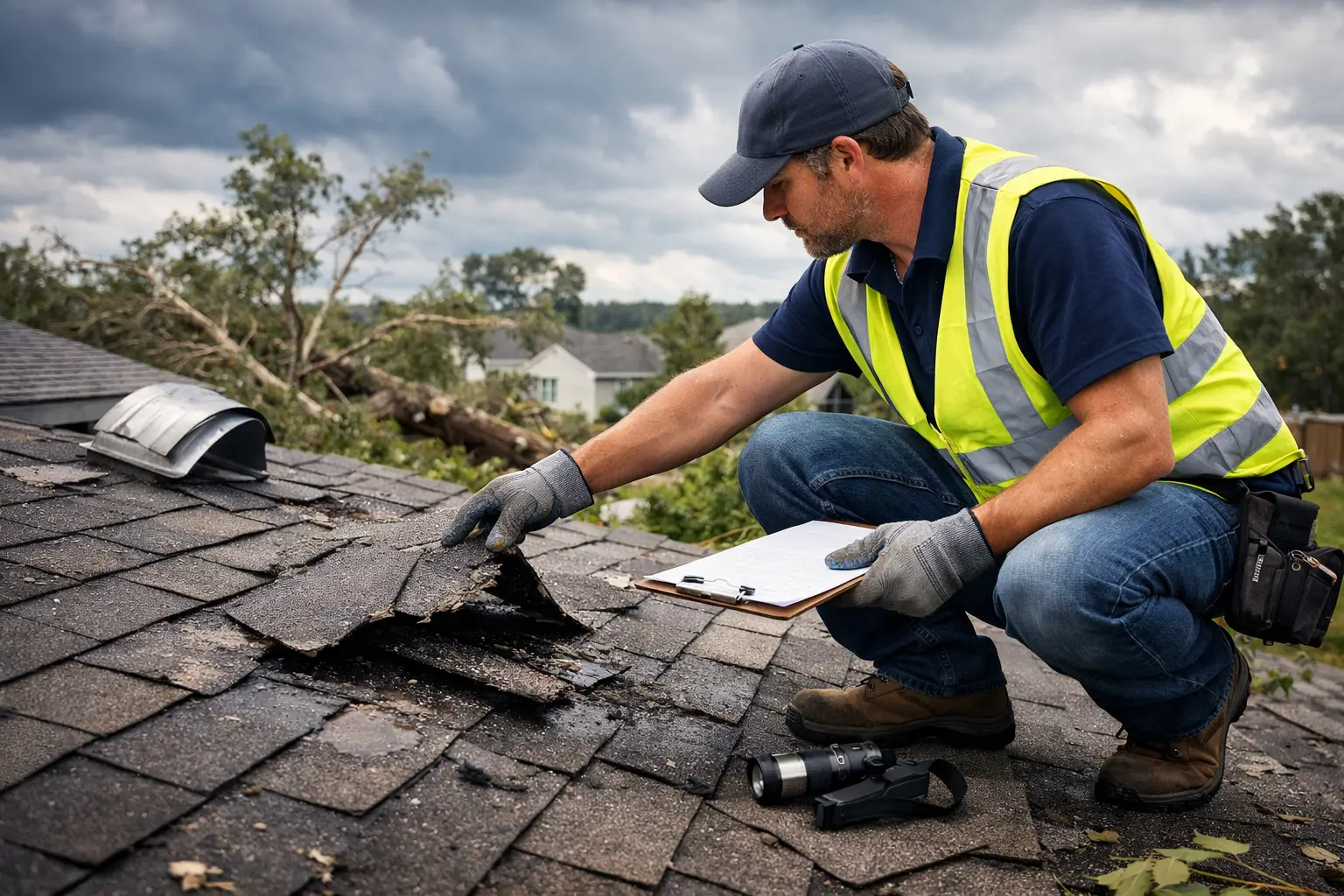
A professional inspection should be methodical, not rushed. The inspector will usually start by discussing any concerns you have noticed, such as water stains, missing shingles, granules in gutters, or recent storm exposure. From there, they will examine the roof system itself.
That includes the condition of shingles or roofing membranes, flashing around penetrations and edges, vents, valleys, ridges, sealants, and any visible signs of wear, movement, or impact. They may also inspect related exterior elements if those areas affect roof performance.
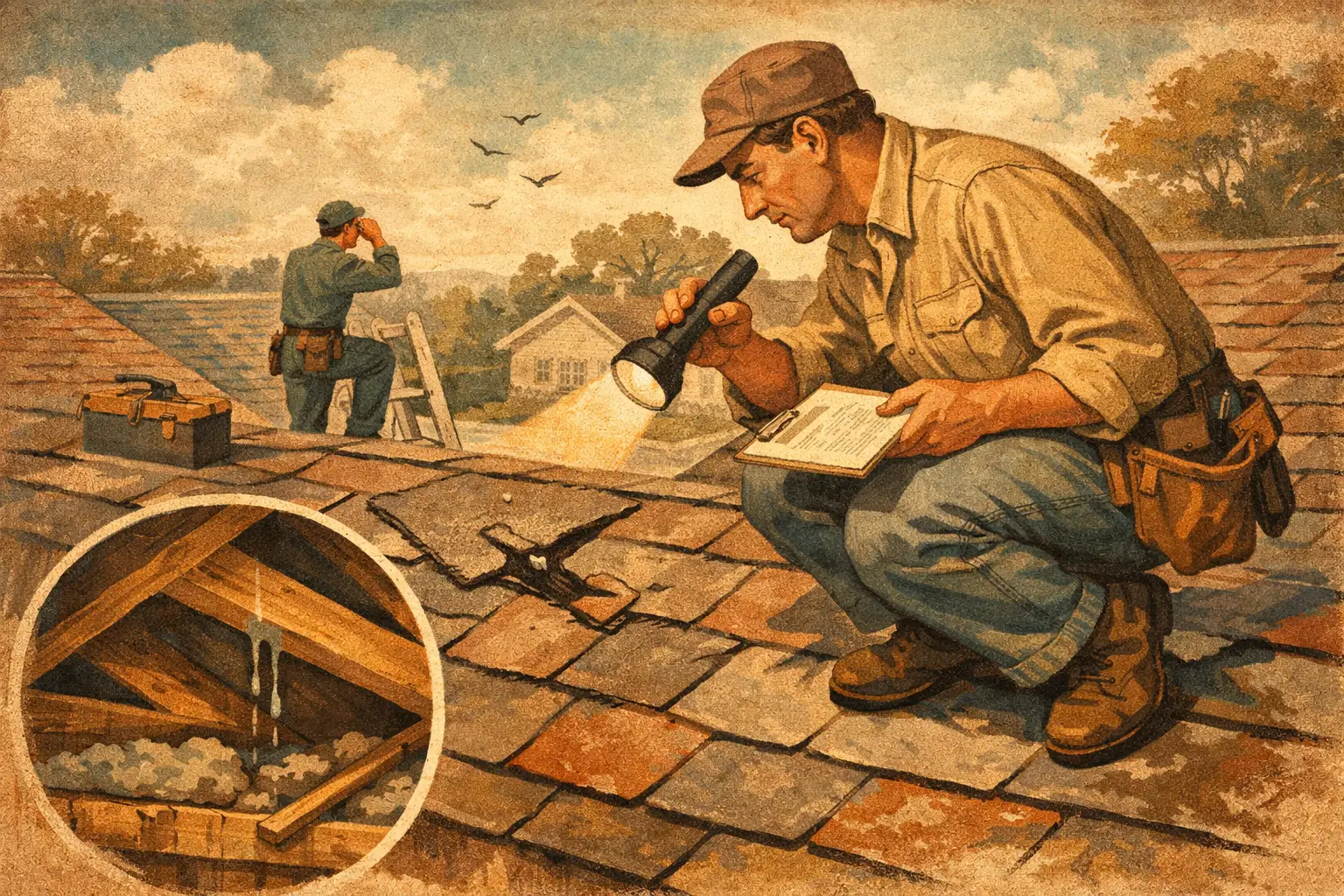
In many cases, the inspection extends beyond the surface. Interior signs can tell an important story. Water staining, attic moisture, poor ventilation, or decking concerns may point to issues that are not obvious from outside alone.
A good inspector is not just checking boxes. They are connecting the symptoms, the age of the roof, the recent weather history, and the current condition to give you a realistic picture of what comes next.
When to get a roof inspection
Timing matters. If you wait until water is actively entering the building, your options may be more limited and the cost may be higher. The smartest time to schedule an inspection is often before a small issue becomes an expensive one.
For most property owners, there are a few moments when an inspection makes the most sense. After a major storm is one of them, especially if your area saw hail or strong winds. Before buying or selling a property is another. An older roof that has not been checked in years also deserves attention, even if it looks fine from the driveway.
There is also value in scheduling an inspection when you have noticed subtle warning signs. Ceiling spots, unexplained moisture, shingles on the lawn, or pieces of flashing that look out of place are all reasons to get answers sooner rather than later.
In Minnesota, seasonal weather swings can be hard on roofing materials. Expansion, contraction, wind exposure, and freeze-thaw cycles all add stress over time. That does not mean every roof needs major work. It does mean regular professional evaluation is a smart form of protection.
How to prepare for the inspection
You do not need to do much, but a little preparation helps. Make a note of any leaks, stains, drafts, or areas that concern you. If the issue appeared after a specific storm, mention that. Dates and details can be useful, especially if damage documentation becomes important later.
If the inspector may need access to an attic, upper-floor ceiling area, or commercial interior spaces beneath the roof, make those areas accessible. Move stored items if needed and let the contractor know about anything unusual you have seen, even if it seems minor.
This is also the time to share your goals. If you are trying to extend the life of the current roof, say so. If you want to know whether replacement is more cost-effective than repeated repairs, be direct. The more context the inspector has, the more useful their recommendations will be.
Understanding the results of your roof inspection
Once the inspection is complete, you should come away with more than a yes-or-no answer. A strong inspection gives you clarity. Is the roof in good shape? Are repairs needed now? Is the system nearing the end of its service life? Are there storm-related issues worth documenting further?
Sometimes the answer is straightforward. A few isolated repairs may solve the problem and restore protection. Other times, the roof may have widespread wear or enough damage that replacement becomes the better long-term investment.
This is where honesty matters. A trustworthy contractor will explain the trade-offs. If a repair makes sense, they should say that. If the roof is too compromised for patchwork to be worth it, they should explain why. Property owners do not need vague language. They need a clear recommendation backed by visible findings.
Repair or replacement depends on the full picture
Age alone does not decide the outcome, and neither does one missing shingle. The right recommendation depends on material condition, leak history, extent of damage, repairability, and how long you plan to keep the property.
For a newer roof with localized storm damage, repair may be the practical choice. For an older system with repeated issues, replacement may offer better protection, stronger warranty value, and fewer surprise costs down the line. That is why a real inspection matters more than a guess from the ground.
Choosing the next step with confidence
Knowing how to get a roof inspection is really about choosing a process that gives you answers you can act on. You want a contractor who shows up, inspects carefully, explains findings clearly, and stands behind the work if repairs or replacement are needed.
That is especially important when the stakes are high – protecting your home, preserving a commercial property, or navigating storm damage with confidence. Roofs R Us works with Minnesota property owners who want expert guidance, top-quality workmanship, and a straightforward path from inspection to long-term protection.
A roof inspection should leave you feeling more certain, not more overwhelmed. If you have been putting it off, this is a good time to get clarity before the next small issue turns into a bigger one.