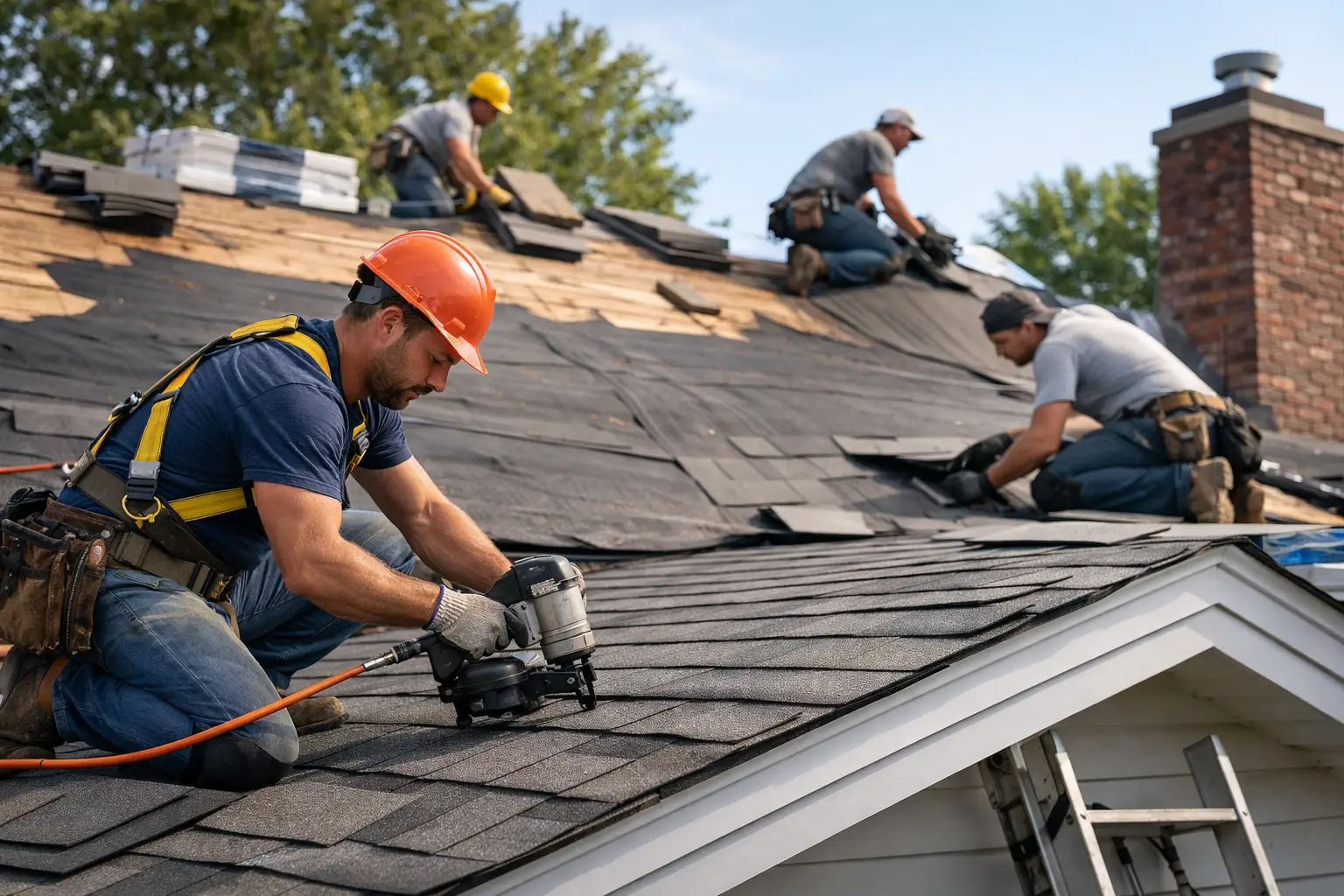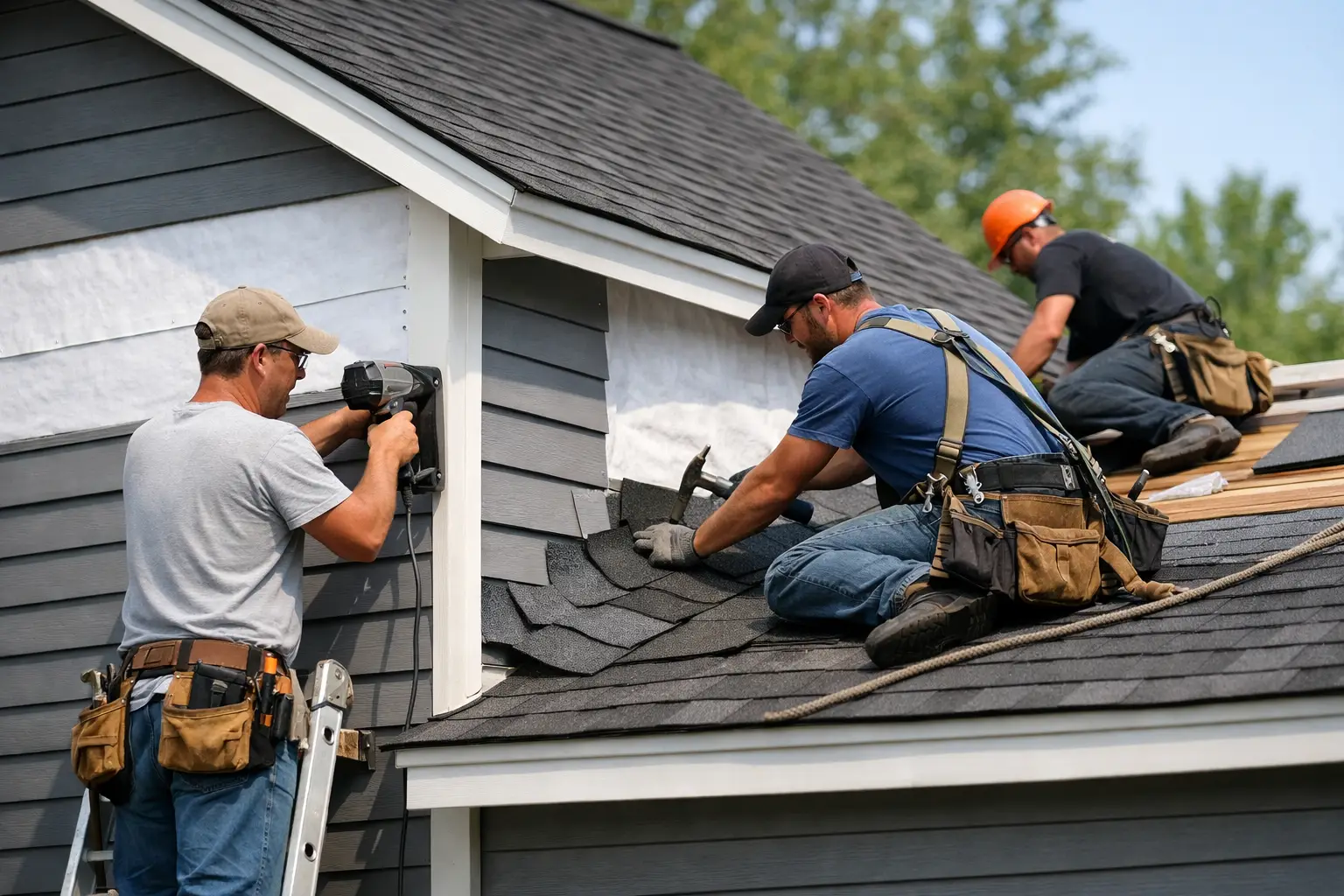
A roof usually does not fail all at once. It gives you warnings first – some obvious, some easy to miss until the damage spreads. If you are noticing water stains, missing shingles, or higher concern after a Minnesota storm season, these are often signs you need roof replacement, not just another small repair.
Knowing the difference matters. A targeted repair can solve an isolated problem, but patching an aging roof again and again can cost more over time and leave your home exposed when the next storm rolls through. The goal is not to replace a roof too early. It is to replace it at the right time, before minor issues become structural ones.
When signs you need roof replacement start adding up
One problem by itself does not always mean the whole roof has reached the end of its life. A few damaged shingles after a wind event may be repairable. A leak around flashing might be isolated. What changes the conversation is the pattern.
If your roof is older, has visible wear in multiple areas, or has already been repaired several times, those small warning signs carry more weight. At that point, the question is less about whether the roof can be patched and more about whether patching still makes financial sense.
Your roof is near the end of its expected lifespan
Age is one of the strongest indicators. Asphalt shingle roofs do not last forever, and even premium materials have a practical service life that depends on installation quality, ventilation, weather exposure, and maintenance.
If your roof is approaching 20 to 25 years old, it deserves a closer look even if it has not started leaking yet. In Minnesota, freeze-thaw cycles, wind, hail, and ice can shorten that timeline. An older roof may still look acceptable from the ground while hidden deterioration is already underway.
Shingles are curling, cracking, or losing granules
Shingles are your roof’s first line of defense. When they begin to curl at the edges, crack through the surface, or shed large amounts of granules, they are telling you they are drying out and breaking down.
Granule loss is especially common as roofs age. You may notice a gritty buildup in gutters or downspouts. A few loose granules are normal over time, but widespread loss leaves shingles more vulnerable to sun exposure and weather damage. Once the protective surface wears away, deterioration tends to speed up.
You have missing shingles in more than one area
A handful of missing shingles after a storm can sometimes be replaced. But if shingles are missing across different slopes or if replacement tabs no longer match because the roof is aging unevenly, that points to a bigger issue.
Repeated shingle loss often means the surrounding materials have become brittle or the roof system no longer has the strength to hold up under wind stress. In that case, replacing a few pieces may only delay the next problem.
Interior warning signs homeowners should not ignore
Some of the clearest signs you need roof replacement show up inside the house. By the time moisture reaches ceilings, walls, or insulation, the issue may be more advanced than it first appears.
Water stains on ceilings or walls
Brown spots, bubbling paint, or discoloration along upper walls are never cosmetic issues to brush off. They usually indicate moisture intrusion, and roof leaks are one of the most common causes.
The tricky part is that water does not always drip directly below the source. It can travel along decking, rafters, or insulation before becoming visible indoors. That is why a stain in one room can trace back to a roof problem somewhere else entirely.
Leaks after heavy rain or melting snow
A roof that only leaks under certain conditions is still a roof with a problem. In cold-weather climates, snow melt, ice buildup, and driven rain can expose weaknesses that stay hidden during mild weather.
If leaks keep returning season after season, a repair may not be enough. Recurring moisture issues often mean the roof system has aged beyond the point where isolated fixes can deliver reliable protection.
Light or drafts in the attic
If you can see daylight through the roof boards or feel noticeable drafts in the attic, your roof assembly may be compromised. Moisture, outside air, and heat loss often go hand in hand when roofing materials begin to fail.
An attic inspection can also reveal dark spots, damp insulation, or mildew odors. Those are signs that your roof may be allowing in moisture even before obvious interior damage appears.
Structural and surface issues that point to replacement
Some roof problems go beyond shingles. When the underlying system is affected, replacement becomes much more likely.
Sagging roof lines or soft decking
A roofline should look straight and solid. If you notice areas that dip, sag, or appear uneven, that can indicate trapped moisture, rotted decking, or structural stress.
Soft spots are another red flag. If a roofing contractor walks the roof and finds spongy areas underfoot, the decking below may be deteriorating. This is not the kind of issue to cover over with another minor repair. It needs a full assessment and, in many cases, a replacement plan.
Moss, algae, or persistent moisture retention
Surface staining alone does not always mean a roof is failing, but heavy moss growth or ongoing moisture retention can shorten roof life and hide damage underneath. Moss holds water against the roof surface, which can accelerate shingle breakdown and contribute to wood rot over time.
In shaded areas, this can become a repeating problem. If the roof is already older, widespread moss growth can be one more sign that replacement is the smarter long-term move.
Flashing failures around chimneys, vents, and valleys
Roof systems fail at vulnerable transition points first. Chimneys, plumbing vents, skylights, and valleys all rely on flashing to direct water away where planes meet or where penetrations interrupt the roof surface.
If flashing is rusted, lifting, separating, or repeatedly patched, leaks are more likely to return. Sometimes the flashing can be replaced on its own. But when these failures happen across an aging roof, they often point to system-wide wear rather than a single weak spot.
Storm damage can change the answer fast
In the Twin Cities, roof aging is only part of the story. Hail, high winds, and severe weather can push a roof from worn but serviceable to replacement territory in one season.
Hail damage is not always obvious from the ground. The same goes for lifted shingles after wind. A roof can look mostly intact while sustaining enough functional damage to reduce its lifespan and increase leak risk. That is why a professional inspection matters after a major storm, even if there is no active leak yet.
This is also where documentation matters. If storm damage is significant, a contractor with insurance-claim experience can help identify what is damaged, explain what should be included, and keep the process moving without adding confusion.
Repair or replacement depends on the bigger picture
Homeowners often ask the right question: can this be repaired? Sometimes yes. If the roof is relatively new and the damage is isolated, repair can absolutely be the most cost-effective solution.
But there is a tipping point. If the roof is older, the problems are spread out, matching materials is difficult, or leaks keep coming back, replacement often provides better value. You are not just paying for new shingles. You are restoring the full protective system, improving durability, and reducing the risk of another round of damage.
There is also the issue of timing. Waiting too long can increase interior repair costs, worsen decking damage, and leave you making a rushed decision after a failure. Replacing a roof on your terms is usually less stressful than replacing it after water has already made its way inside.
What to do if you are seeing these signs
Start with a professional roof inspection. A reliable contractor should be able to tell you whether the issue is isolated, whether the roof still has meaningful life left, and whether replacement is the safer investment. You should also expect clear documentation, straightforward recommendations, and pricing that makes the decision easier to evaluate.
For homeowners who want long-term protection, this is where craftsmanship and materials matter. A roof replacement is not just another project. It is one of the most important exterior investments you can make, especially in a climate that puts roofing systems to the test year after year.
If several of these warning signs sound familiar, trust what your roof is telling you. Getting ahead of the problem now can protect your home, your budget, and your peace of mind long before the next storm arrives.