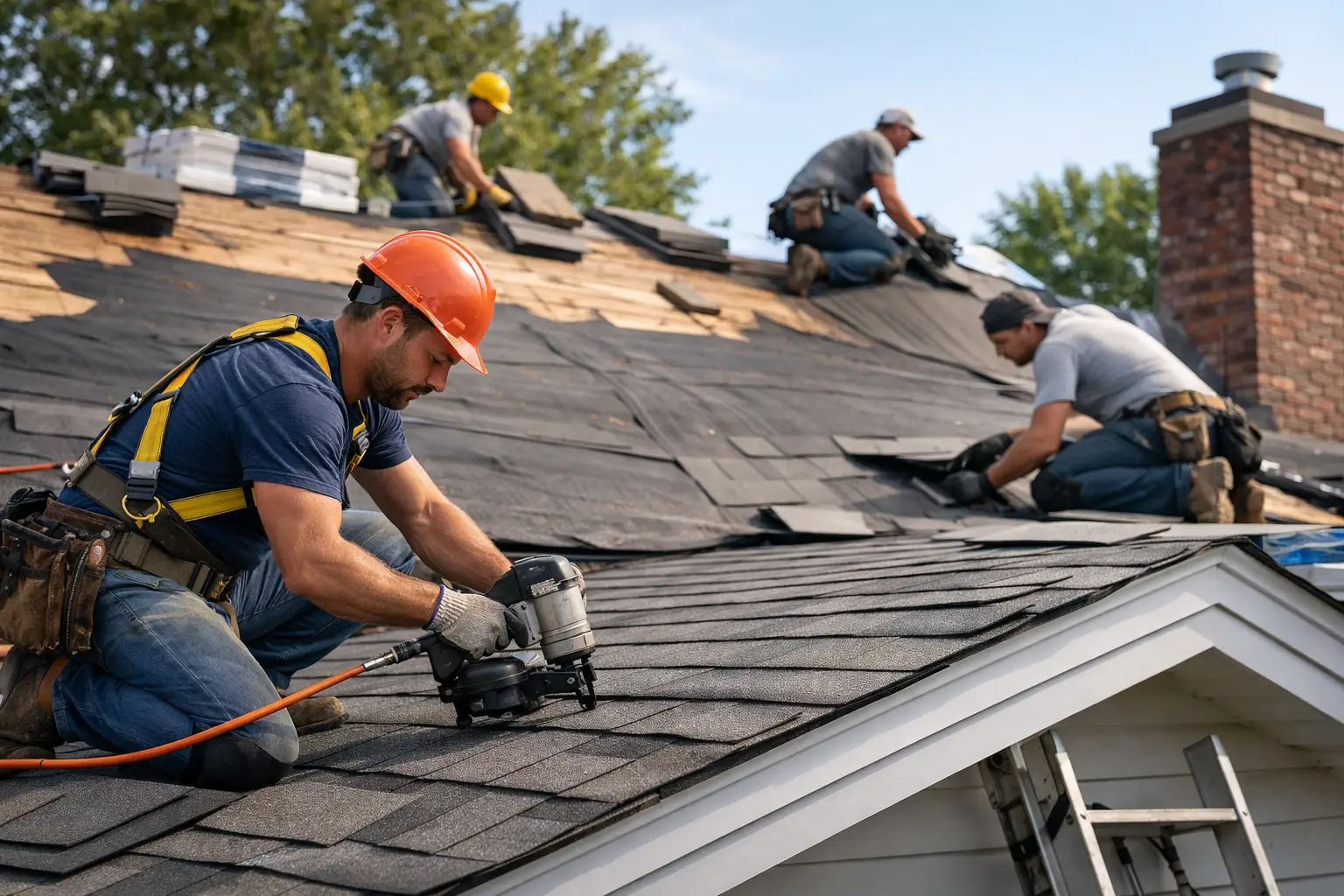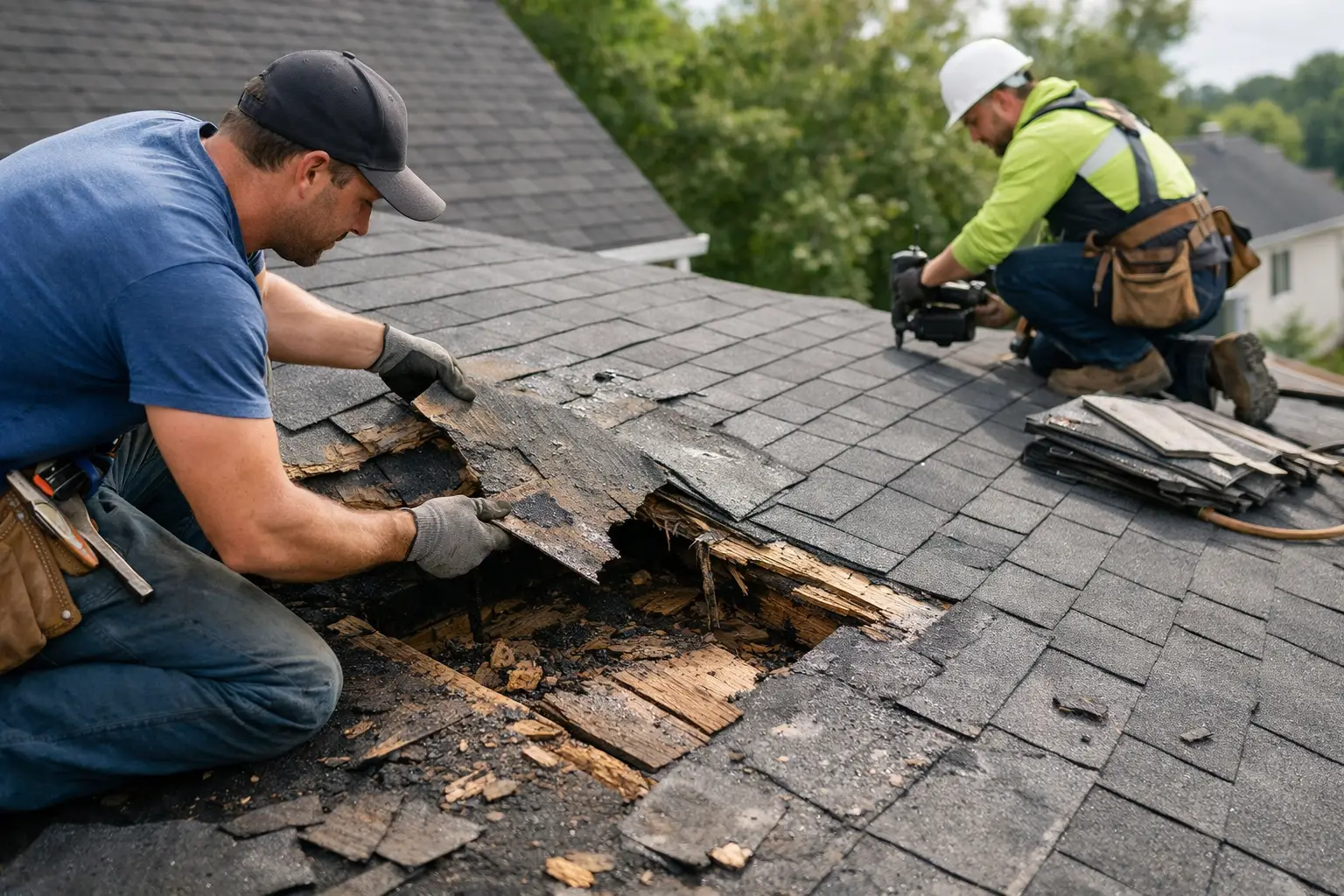
A roof starts failing in one place, but the damage rarely stays there. Water gets behind flashing, wind lifts old shingles, siding takes the same weather hit year after year, and before long you are not looking at one exterior problem – you are looking at a system that is aging together. That is why many Minnesota homeowners ask about siding and roof replacement together, especially after a storm, during a major remodel, or when curb appeal has clearly slipped.
In many cases, replacing both at the same time is the smarter investment. In other cases, it is not. The right answer depends on age, condition, budget, and whether your home needs short-term repairs or long-term protection.
When siding and roof replacement together makes sense
The strongest case for doing both projects at once is simple: your exterior works as one protective shell. The roof handles the top line of defense, but siding, soffit, fascia, gutters, and trim all help move water away and keep moisture out. If one part is significantly worn, the others may not be far behind.
This is especially true when the roof and siding are close in age. If your shingles are nearing the end of their service life and the siding is faded, cracked, loose, or storm damaged, splitting the work into separate projects can mean paying for setup, labor coordination, and cleanup twice. It can also create a mismatch in color, profile, or finish that makes the home look half updated.
Storm damage is another major reason to consider a combined project. Hail and wind often affect more than one surface. You may see missing shingles on the roof and dents, cracks, or punctures on the siding. When damage overlaps, handling both scopes together can simplify inspection, documentation, scheduling, and in some cases the insurance process.
There is also a practical design advantage. When you update the roof and siding together, you can coordinate colors, textures, trim, and accessory pieces so the home looks intentional. That matters for resale, but it also matters if you plan to stay put. A home that looks cohesive usually feels better maintained because it is better maintained.
The real benefits of replacing both at once
The biggest benefit is protection. Your exterior is only as strong as its weakest point. A new roof paired with failing siding still leaves your home vulnerable to moisture intrusion, drafts, and avoidable repairs. A siding update paired with an old roof can leave the same gap from the top down.
There is often a cost advantage too, although it is not automatic. Combined projects can reduce duplicate labor and mobilization costs. They can also make it easier to bundle related work such as soffit, fascia, gutters, and flashing, which are often the details that make the finished result perform well over time.
Homeowners also appreciate the shorter disruption window. One project schedule is usually easier than two separate rounds of estimates, material deliveries, crews, noise, and cleanup. If you are managing family routines, tenants, or business operations, that matters.
Then there is the warranty side of the conversation. When one contractor oversees the full exterior scope, there is less finger-pointing if a problem shows up later. That does not mean every issue disappears, but it does mean accountability is clearer. For many property owners, that peace of mind is worth a lot.
When it may be better to separate the projects
Not every home needs siding and roof replacement together. If your roof is damaged or worn out but the siding is still performing well with years of life left, it may make more sense to focus on the roof first. The same goes the other way around.
Budget is often the deciding factor. A full exterior upgrade is a larger investment, and stretching too far financially is rarely the right move. If one system is urgent and the other is mostly cosmetic, it is reasonable to phase the work. The key is having an honest inspection so you know whether the second project can wait six months, two years, or not at all.
You may also want to separate the work if you are planning a future addition, window replacement, or major exterior redesign. In that case, timing matters. It is better to coordinate the order of improvements than to redo trim, flashing, or material transitions twice.
What to inspect before making the call
A quick glance from the driveway is not enough. Roof and siding issues can be easy to miss until they turn into leaks or structural damage. A proper inspection should look at the age of the roof, shingle wear, flashing condition, ventilation, decking concerns, hail or wind impact, and signs of moisture around penetrations and valleys.
On the siding side, the contractor should check for cracking, warping, loose panels, failed caulking, moisture staining, soft spots, and deterioration around doors, windows, corners, and trim. Soffit and fascia deserve special attention because they connect the roofline to the wall system and often reveal hidden water issues.
This is where working with an exterior contractor instead of treating each trade separately can help. The goal is not just to price two products. It is to understand how your entire exterior is holding up and where replacement will deliver the most value.
How insurance can affect siding and roof replacement together
After a storm, insurance may play a role, but every claim is different. Some policies cover only direct physical damage. Others may involve matching considerations or separate treatment for roofing and siding materials. That is why documentation matters so much.
If your roof and siding were damaged in the same event, it helps to have one contractor assess the full exterior and clearly identify what was impacted. Photos, measurements, product notes, and condition reports can support a more organized claim process. Just as important, you need a contractor who understands where insurance ends and homeowner responsibility begins.
That guidance can reduce confusion. It does not guarantee a specific claim outcome, and no reputable contractor should promise that. But it does help you make decisions based on facts instead of guesswork.
Planning the project the right way
If you are leaning toward a combined replacement, planning matters as much as product selection. Start with condition and urgency, not just appearance. The question is not only what looks old. It is what is still protecting your property and what is no longer doing its job.
From there, think about materials and performance. In Minnesota, freeze-thaw cycles, wind, hail, heavy snow, and ice make exterior durability a real issue, not a marketing phrase. Roofing, siding, underlayment, ventilation, and water-shedding details all need to work together.
It also helps to discuss sequencing. Even when both are replaced in the same overall project, there is a right order to the work. That order can affect flashing transitions, trim details, waste removal, and final fit and finish. A contractor with strong roofing expertise and exterior experience should be able to explain the sequence clearly before work begins.
Pricing should be equally clear. Look for a detailed estimate that separates scope, identifies materials, explains what accessory components are included, and outlines warranty coverage. Vague numbers often lead to change orders, shortcuts, or confusion once the job is underway.
Choosing a contractor for a combined exterior project
The best contractor for siding and roof replacement together is not just someone who can install both. It is someone who can evaluate the whole exterior, communicate clearly, and stand behind the result.
Ask how they inspect for hidden damage. Ask who handles coordination if additional issues are found. Ask what happens to gutters, fascia, soffit, and trim during the process. Ask how they manage cleanup and protect landscaping, driveways, and entry points.
Credentials and workmanship matter here because combined projects leave less room for sloppy transitions. When roofing and siding meet, details are everything. Flashing, edge protection, ventilation, and moisture control are what separate a project that only looks good from one that performs for years.
For homeowners in the Twin Cities, Roofs R Us often sees this decision come up after storms or when aging exteriors start showing problems in more than one place. In those situations, a clear inspection and price-locked estimate can make the next step much easier.
If you are debating whether to do one project or both, do not start with a guess. Start with a full exterior assessment, understand what is urgent, and choose the option that protects your property without creating avoidable costs later.