A roofing estimate can look convincing on paper and still leave you with the wrong contractor. The difference usually shows up later – in missed details, weak communication, surprise costs, or a roof system that does not hold up the way it should. If you are trying to figure out how to choose roofing contractor services with confidence, the smartest move is to look beyond price and focus on protection, accountability, and proof.
Your roof is not just another home improvement project. It protects your structure, your belongings, and the people inside. For commercial properties, it also protects tenants, operations, and budgets. That is why choosing the right contractor should feel less like shopping for a bid and more like selecting a long-term partner for one of your property’s most important systems.
How to choose roofing contractor services without guesswork
The first filter is legitimacy. Any contractor can promise quality, but a dependable roofing company should be able to show the credentials that support those promises. That includes proper licensing where required, insurance coverage, manufacturer certifications, and a real local presence. If a storm has just rolled through your neighborhood, this matters even more. A contractor who works locally and has an established reputation is far more likely to be around if you need follow-up service later.
Manufacturer certifications are especially valuable because they are not handed out casually. They typically require training, proven installation standards, and a track record of customer satisfaction. That does not guarantee every project will be perfect, but it does show the contractor has met a higher bar than an unverified installer.
Insurance should also be part of the conversation early. You want to know the contractor carries liability and workers’ compensation coverage so you are not exposed if something goes wrong on the job. A professional company should be comfortable providing that information.
Look closely at the estimate, not just the total
A low number can be tempting, especially when roofing is an unexpected expense. But the cheapest proposal is often the least detailed, and that is where problems begin. A trustworthy estimate should clearly explain what is included, what materials will be used, how tear-off and cleanup are handled, and whether components like underlayment, ventilation, flashing, and ice and water protection are part of the scope.
In Minnesota, this level of detail matters. Roofs here deal with snow loads, freeze-thaw cycles, high winds, hail, and ice dam risks. If a quote is vague about the full roofing system, you may not actually be comparing equal work from one contractor to another. One bid may include upgraded protection and another may leave out critical components that affect long-term performance.
Price-locked estimates can also be a sign of a contractor that respects the customer experience. Predictable pricing gives homeowners and property managers more confidence to move forward, especially when timing is tied to weather damage or insurance deadlines.
Ask what is excluded
This is one of the simplest ways to avoid surprises. A good contractor should be able to explain not only what is covered but also what could change. For example, hidden decking damage may not be visible until the old roof is removed. That is normal. What matters is whether the contractor has a clear process for documenting issues, communicating options, and getting approval before extra work is done.
Reputation matters, but specifics matter more
Reviews are useful, but not all reviews carry the same weight. Look for patterns rather than perfect scores. Did customers mention clear communication, jobsite cleanliness, responsiveness, or support through insurance claims? Did the contractor follow through when questions came up? Those details tell you more than a simple five-star rating.
It also helps to ask for recent project examples similar to yours. A contractor may be excellent at straightforward residential replacements but less experienced with steep roofs, storm restoration, or commercial systems. If your project has special demands, make sure the company has handled that kind of work before.
Strong contractors usually welcome these questions because they know trust is built with proof. They should be able to speak confidently about past work, warranties, materials, and process without sounding evasive or overly salesy.
Communication is part of the workmanship
Homeowners often focus on shingles, colors, and pricing. Those things matter, but communication is one of the biggest indicators of how the job will actually go. If a contractor is hard to reach before the contract is signed, it rarely improves once the project starts.
Pay attention to how the company handles the early conversations. Do they show up on time for inspections? Do they explain findings clearly? Do they answer questions directly? Do they make the process feel organized and manageable? Roofing projects can move quickly, especially after storm events, so you need a team that communicates well from assessment through completion.
This is also where local experience pays off. A contractor familiar with Minnesota weather patterns, permitting expectations, ventilation concerns, and seasonal roofing challenges can often spot issues that a less experienced company might miss. That kind of knowledge protects the final result.
How to choose roofing contractor support for storm damage claims
Storm damage creates a different kind of pressure. You may be dealing with leaks, missing shingles, dents from hail, or uncertainty about what insurance will cover. In those situations, many property owners are not just hiring for installation. They are hiring for guidance.
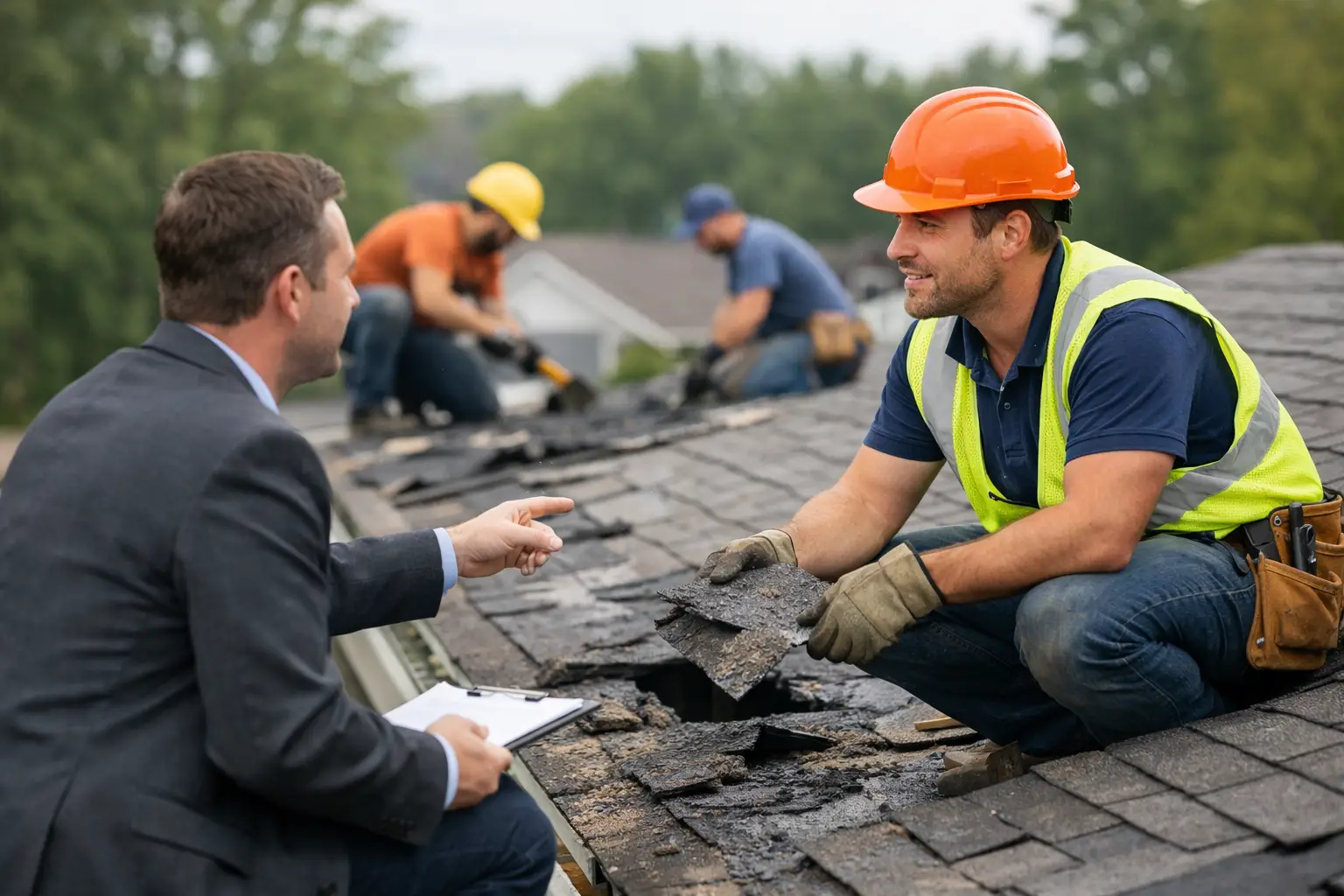
A contractor who understands storm restoration should be able to document damage thoroughly, explain the scope in plain language, and help you stay organized through the claims process. That does not mean making unrealistic promises about what your insurer will approve. In fact, be careful with any contractor who guarantees coverage before the claim is reviewed. The better sign is a company that knows how to advocate professionally, communicate clearly, and keep the project moving once approvals are in place.
If your roof issue is tied to a storm, ask how the contractor handles inspections, claim-related documentation, and coordination. The right support can reduce stress and help you avoid delays.
Warranties should be easy to understand
Roofing warranties are often mentioned in sales conversations, but many property owners do not get a clear explanation of what they actually cover. There is a big difference between a manufacturer’s material warranty and a contractor’s workmanship warranty. You want to understand both.
A strong manufacturer-backed warranty can add real long-term value, especially when it is tied to certified installation. Workmanship coverage is just as important because installation errors are one of the most common reasons roofs fail early. The best contractors stand behind their labor and can explain the terms without hiding behind fine print.
Longer is not always better if the warranty is difficult to use or loaded with exclusions. Ask who to call if there is a problem, what documentation you will receive, and whether warranty coverage depends on specific installation methods or product combinations.
Don’t ignore the rest of the exterior system
A roof does not work in isolation. Ventilation, gutters, soffit, fascia, siding transitions, and insulation conditions all affect performance. If a contractor only talks about shingles and never discusses the surrounding system, that is a red flag.
For example, poor attic ventilation can shorten roof life. Faulty flashing around walls and penetrations can cause leaks even when shingles are new. Gutter issues can contribute to water problems near the roofline and foundation. A contractor who takes a broader view is more likely to deliver lasting protection instead of a surface-level fix.
That does not mean every company needs to do every exterior trade in-house. It does mean they should understand how those systems work together and be prepared to identify concerns before they become your next repair bill.
When the lowest bid is not the best value
Sometimes a lower bid is perfectly reasonable. Smaller overhead, different material packages, or timing can affect pricing. But if one estimate is dramatically lower than the rest, ask why. The answer may be less labor, lower-grade materials, missing accessories, limited warranty options, or corners that will not be obvious until later.
The better question is not, “Who is cheapest?” It is, “Who gives me the most confidence that this roof will be installed correctly, backed properly, and managed professionally?” That is what real value looks like.
For many homeowners and property managers, peace of mind is part of the purchase. Clear proposals, premium materials, proven craftsmanship, strong warranties, and a contractor who stays accountable all reduce risk. That matters long after the crew leaves.
Choosing a roofing contractor should leave you feeling more secure, not more uncertain. Take your time, ask direct questions, and trust the companies that make the process clearer instead of more complicated. The right contractor will not just install a roof. They will help protect everything that roof is supposed to protect.